
A $2M–$3.5M home search in La Jolla is about more than finding an appealing address and an ocean view. Buyers should compare the view corridor, bluff and drainage conditions, insurance availability, ongoing maintenance, and local permitting before writing an offer. A disciplined checklist can help turn a beautiful coastal property into a well-understood long-term ownership decision.
Start With the View, Then Verify What Protects It
In La Jolla, a view can be a defining part of a property’s value—and a surprisingly nuanced feature to evaluate. Ocean, canyon, coastline, and village outlooks can vary block by block, floor by floor, and even from one room to the next. During a showing, spend time in the primary living spaces, outdoor areas, and any upper-level rooms rather than relying solely on listing photography. Notice sightlines, utility lines, neighboring rooflines, mature landscaping, and the angle of afternoon light.
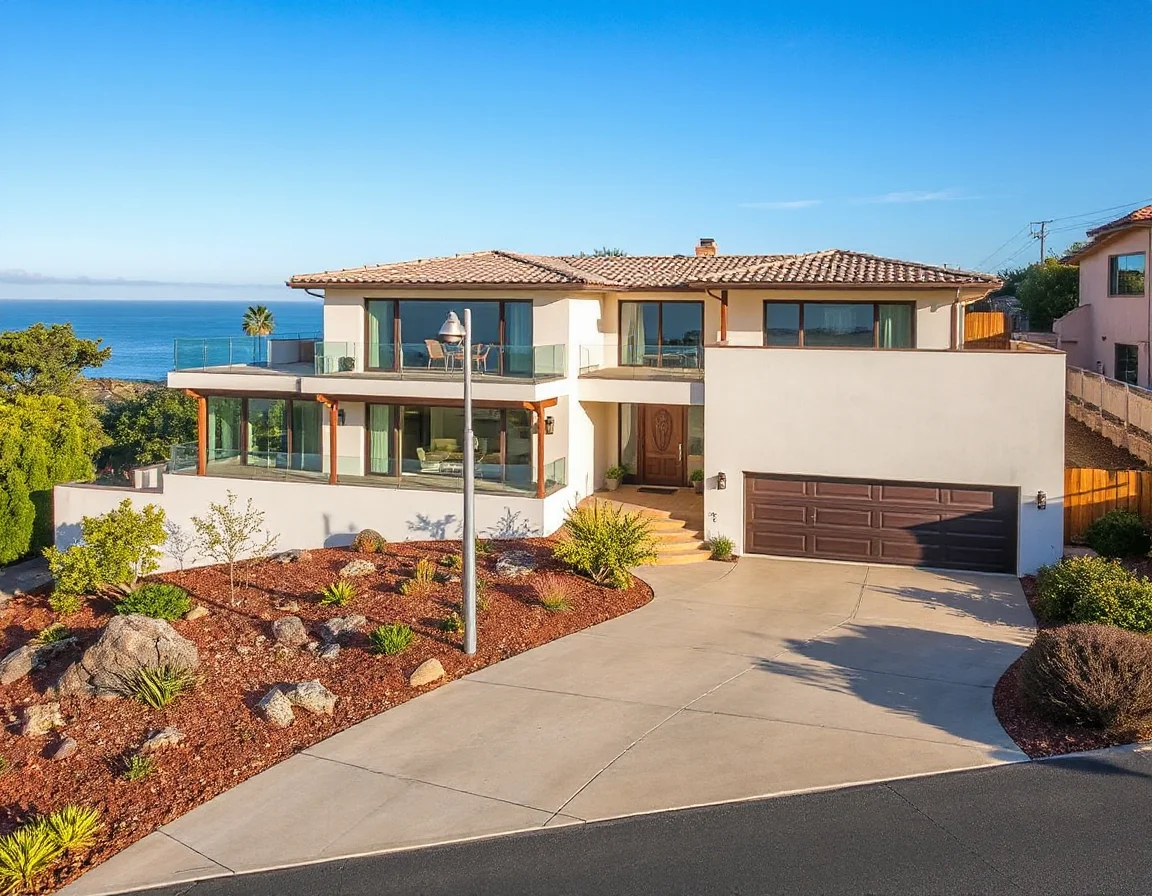
A compelling outlook is not automatically a protected one. Ask whether nearby parcels could be redeveloped, whether vegetation maintenance affects the current view, and whether the property is subject to any recorded agreements, architectural review, or coastal development considerations. Your agent can help identify useful public records and direct you toward the right specialists, while a buyer should independently verify any issue that matters to the purchase decision.
It is also worth separating a “view home” from a “waterfront-adjacent” home. A residence set farther inland may offer broad elevated outlooks with different exposure and maintenance demands than a property near the shoreline. Homes closer to the coast may experience more salt air, moisture, wind, and exterior wear. That does not make one setting better than another; it simply changes the due-diligence list and the annual maintenance plan.
For a coastal view property, revisit at more than one time of day when possible. Light, wind, traffic patterns, and the usable comfort of terraces or patios can feel very different between a morning showing and a late-afternoon visit.
Within this price range, buyers may encounter renovated residences, attached homes, condominiums, properties with guest spaces, and older homes with strong locations but deferred updates. Compare the condition of major systems—not only finishes. Roof age, window and door performance, exterior coatings, drainage, electrical capacity, and heating or cooling equipment can have an outsized impact on ownership costs near the coast.
Bluffs, Slopes, Drainage, and the Inspection Team
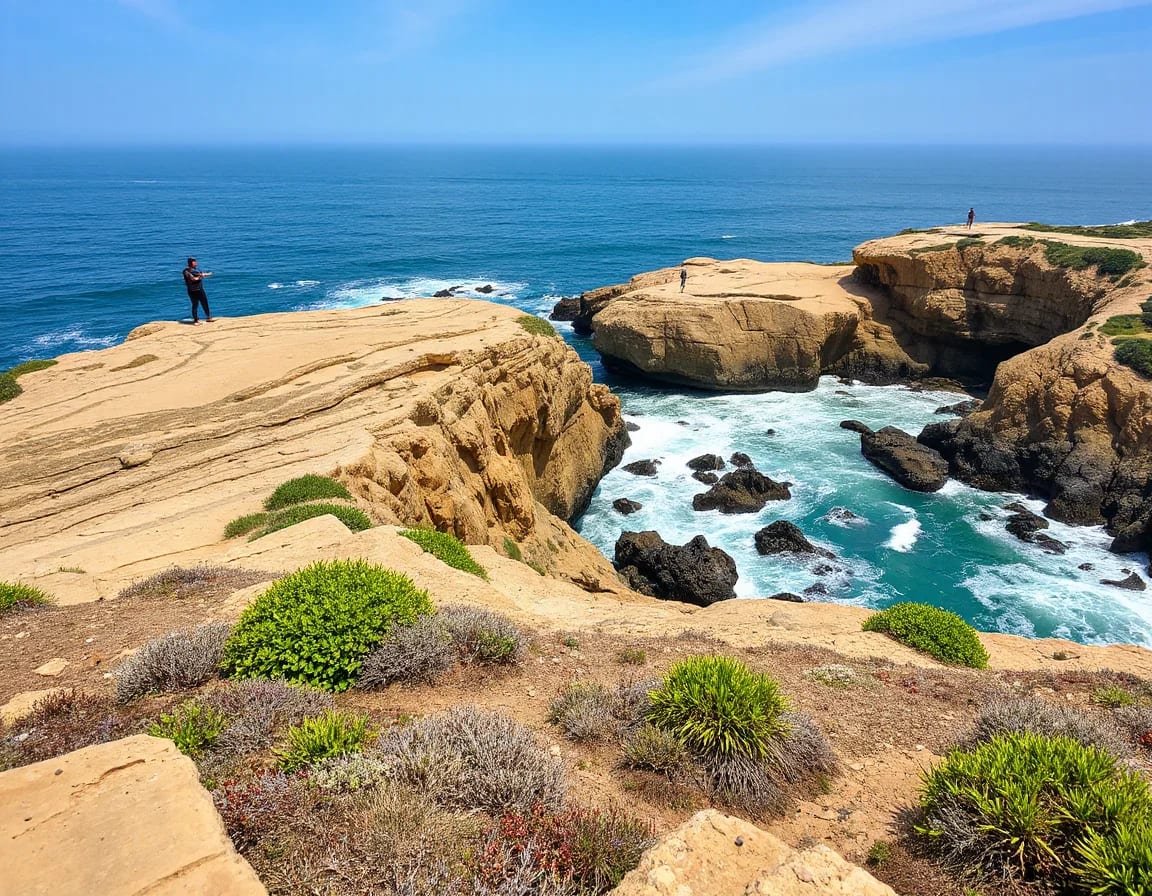
La Jolla’s coastal topography is part of its visual appeal, but it also calls for property-specific investigation. If a home sits near a bluff, canyon edge, sloped parcel, or retaining wall, review available disclosures, prior reports, repair invoices, and permit history early in the contingency period. The goal is not to assume a problem; it is to understand the site, the improvements, and the professional recommendations that apply to that exact property.
Consider a coordinated inspection approach. A general home inspector is an important starting point, but the findings may point to further review by a structural engineer, geotechnical professional, drainage contractor, roofer, chimney specialist, or pest inspector. For homes with decks, stairs, view platforms, retaining walls, or visible slope features, ask whether there are signs of movement, water intrusion, corrosion, missing maintenance, or past repair work that deserves a closer look.

Water management deserves special attention. Gutters, downspouts, drains, hardscape grading, irrigation, and landscape drainage work together to move water away from the structure and, where relevant, away from sensitive slopes. During inspections, ask where roof runoff goes, whether drainage components are maintained, and whether there is evidence of standing water or moisture at foundations, retaining walls, crawlspaces, or lower-level rooms.
Permit research matters, particularly when a home has been expanded, remodeled, or reconfigured. Confirming permits is not merely paperwork; it can clarify the history of additions, structural work, plumbing, electrical upgrades, and exterior improvements. Coastal-zone rules and local review processes can also affect future plans for remodels, walls, decks, and other site work. Build enough time into your contingency schedule to review documents instead of treating them as an afterthought.
A seller’s prior report is useful context, not a substitute for your own investigation. The most effective due diligence pairs disclosure review with inspections tailored to the property’s age, location, improvements, and visible conditions.
Make Insurance Part of the Offer Strategy
Insurance should be explored before removing contingencies, not after closing. Availability, coverage terms, deductibles, and premiums can vary materially by address, construction details, roof condition, wildfire-risk modeling, claims history, and carrier underwriting guidelines. Coastal exposure can introduce questions about wind-driven rain, corrosion, and water intrusion, while hillside or brush-adjacent settings may require additional review of wildfire-related coverage options.
Contact an insurance professional with the complete property address as soon as a serious purchase is underway. Ask for estimates of homeowners coverage, separate flood insurance if appropriate, earthquake coverage options, umbrella coverage, and any specialized endorsements that may be relevant. If a standard market policy is not available, discuss alternatives such as the California FAIR Plan and any companion coverage that may be needed to address gaps. Coverage structures and availability can change, so obtain current information directly from licensed insurance professionals.
For condominium or townhome purchases, inspect the homeowners association’s insurance documents as well. The master policy may cover certain building components, while the buyer may still need an HO-6 policy, loss-assessment coverage, or other protection for personal property and interior improvements. Review the deductible structure, claims history when available, reserve information, and whether the association has any known repair projects or insurance renewals on the horizon.
Budget Beyond the Purchase Price
A thoughtful offer considers the full ownership picture. In addition to principal, interest, taxes, and insurance, estimate utilities, landscaping, exterior cleaning, HVAC servicing, roof maintenance, pest prevention, drainage upkeep, and possible homeowners association dues. Salt air can accelerate wear on metal fixtures, railings, gates, exterior hardware, and mechanical equipment, so reserve planning is especially useful for homes close to the water.
Ask the seller for utility history, service records, warranties, and invoices when available. These materials can reveal whether systems have received consistent care and can help your inspectors formulate more targeted questions. For a home with solar, a pool, a spa, a lift, specialized glazing, or smart-home equipment, confirm ownership status, operating requirements, service providers, and transfer documentation.
Market timing belongs in the checklist too. A carefully prepared buyer can move with confidence when a strong property appears, but confidence comes from completed preparation rather than skipping investigation. A current lender preapproval, a clear purchase budget, and a short list of trusted inspectors can make it easier to respond while preserving the right contingencies for the property.
A Coastal Purchase Should Feel Informed, Not Rushed
The most successful La Jolla home searches balance excitement with verification. A memorable view, an inviting outdoor area, and proximity to beaches, parks, cultural destinations, and everyday services may set a property apart, yet the details behind the experience matter just as much. Review the site, the structure, the insurance path, the records, and the expected maintenance with the same care used to evaluate the layout.
For buyers considering the $2M–$3.5M range, local expertise can help organize the questions, compare property types, and identify when a specialist should be added to the team. With a practical checklist and enough time for property-specific due diligence, you can focus on the features that make coastal ownership rewarding while entering the transaction with clearer expectations.