

Del Mar buyers are often navigating a market where coastal location, limited land, and highly individual homes make broad headlines less useful than property-level analysis. Knowing how to read inventory, compare condition, and prepare for competition can help turn a search into a more confident decision. The key is to watch the details behind the asking price—not simply the price itself.
Why Del Mar Pricing Requires a Closer Look
Del Mar real estate rarely fits into a single tidy statistic. The community includes beach-adjacent residences, hillside properties with views, condominium homes, townhomes, and established streets with a mix of original architecture and renovated residences. Two homes with similar bedroom counts can have very different values based on lot position, outlook, renovation quality, walkability, parking, outdoor space, and proximity to everyday destinations.
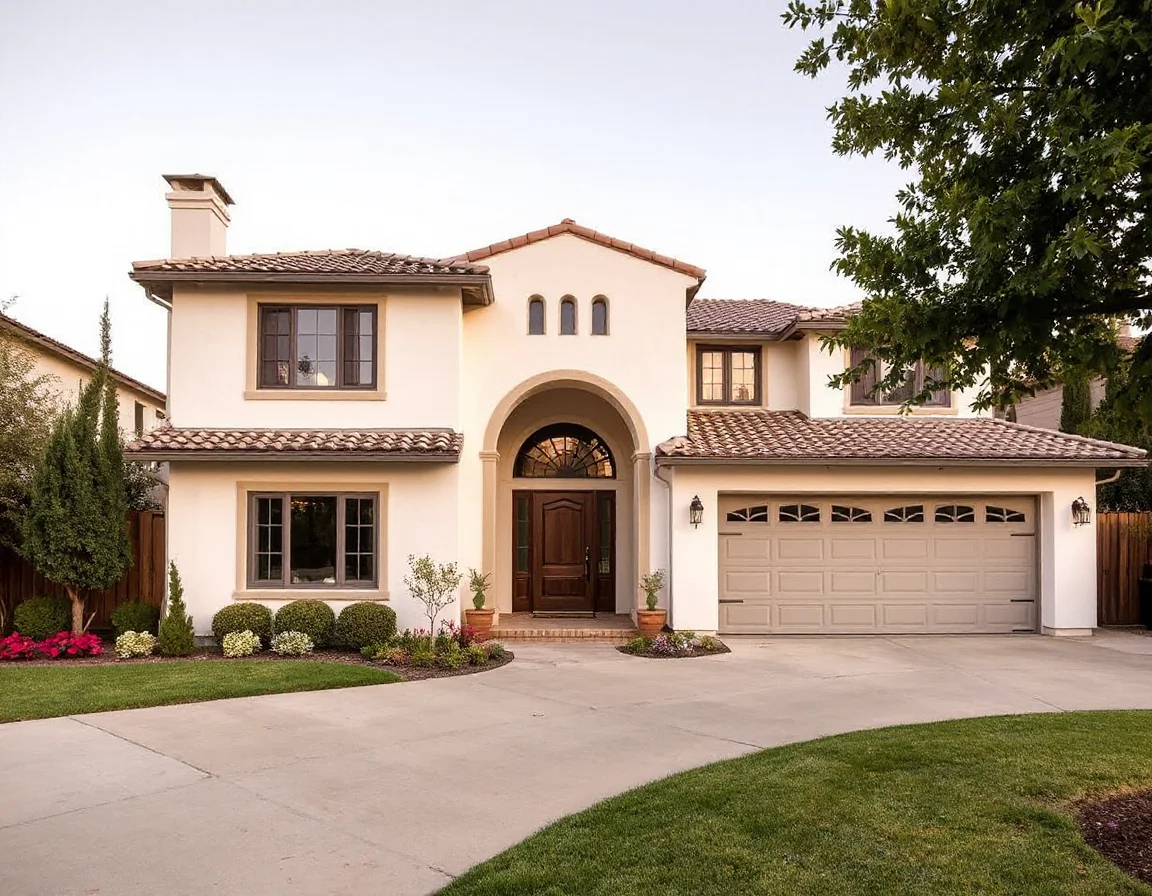
That variation is why a buyer should treat the list price as the beginning of the conversation. A well-prepared listing may reflect recent comparable sales, current competition, and the seller’s timing goals. Another property may be priced to invite early attention, while a third may be testing the market after extensive improvements. Looking at sold properties is valuable, but the most useful comparisons are the ones that genuinely resemble the home in location, condition, usable space, and features.
Coastal influence matters, too. A property’s orientation, ocean exposure, view corridor, privacy, and maintenance history can affect both daily ownership and long-term value. Buyers should also distinguish between a view that is currently visible and one that is likely to remain available, then review applicable records and disclosures with appropriate professionals. In a market with distinctive homes, careful due diligence can be more meaningful than a quick price-per-square-foot calculation.
In Del Mar, the strongest comparable sale is often not the closest house on a map—it is the home with the most similar setting, condition, and functional layout.
Seasonality can influence the rhythm of new listings, but it does not eliminate the need to be ready. Inventory may appear in small waves rather than as a large, predictable selection. When a property that matches a buyer’s priorities becomes available, having financing, proof of funds, and decision criteria organized in advance can make it easier to evaluate the opportunity without rushing the underlying research.
How to Read Inventory Beyond the Listing Count
Inventory is more than the number of active homes on a search page. Buyers benefit from separating new listings from properties that have been available longer, reviewing pending activity, and noting whether similar homes are receiving price adjustments. A low active count can signal limited choice, but it does not automatically mean every listing is equally competitive or equally well positioned.

Start by considering the property’s market position. Has it just launched with polished presentation and a price aligned to nearby sales? Has it returned to the market after a pause? Has the seller adjusted the price, and if so, did that adjustment bring the home closer to recent comparable results? These questions provide context without assuming that time on market alone reveals a property’s value or condition.
It is also helpful to keep an eye on the mix of homes available. If most current options are large view properties and a buyer is searching for a smaller residence near village amenities, the relevant inventory may be much tighter than the overall count suggests. Conversely, a buyer focused on a specific architectural style or renovation level may find more options than a broad neighborhood search initially indicates.
Pending sales deserve attention because they show where recent buyer and seller expectations have met. Final sale prices are not always available immediately, yet observing which properties move quickly and which remain available can still help identify patterns. The goal is not to chase every new listing; it is to understand how a specific home compares with the alternatives available at that moment.
What Buyers Should Evaluate Before Writing an Offer
Once a promising property appears, focus on the elements that are difficult or impossible to change. Location within the community, lot configuration, access, natural light, parking, outdoor usability, and the home’s overall setting typically deserve more weight than cosmetic finishes. Paint, fixtures, and furnishings can be updated; a site’s fundamental characteristics cannot.
For homes near the coast, ask for and carefully review the seller disclosures, inspection reports when available, permit history, and information about prior improvements. Salt air, drainage, roofing, windows, exterior materials, and mechanical systems can require ongoing attention. Buyers may also want to understand whether a property is subject to homeowners association documents, coastal-related considerations, easements, or other restrictions that could affect use, maintenance, or future plans.
Renovation quality is another important comparison point. A newly updated kitchen may be visually appealing, but buyers should look beyond surface finishes to understand the scope of work: were systems upgraded, was work permitted where required, and does the layout improve how the home functions? A thoughtful renovation can add utility as well as polish, while an older home with strong fundamentals may offer a different path for future improvements.
A clear wish list works best when it separates nonnegotiable property features from preferences that can be improved over time.
Offer terms should support both competitiveness and diligence. Price is central, but closing timing, financing strength, contingency structure, deposit terms, and requested credits can all influence a seller’s response. The right approach depends on the home, the level of interest, and a buyer’s individual comfort with risk. A knowledgeable local review of the property and recent comparable activity can help buyers make choices that are both informed and intentional.
Building a Practical Del Mar Search Strategy
A productive search begins with a realistic financial picture and a focused set of priorities. Before touring extensively, buyers can clarify the desired property type, preferred locations, maximum monthly ownership costs, renovation tolerance, and timing. This preparation makes it easier to recognize when a listing is a close fit rather than restarting the decision process at every showing.
It can also be useful to expand the search thoughtfully. A buyer drawn to one section of Del Mar may find worthwhile alternatives in nearby streets or in a different property type that offers similar access to the coast, outdoor recreation, and local services. The point is not to compromise blindly; it is to understand which features truly create value for the buyer and which assumptions are worth revisiting as inventory changes.
For buyers considering a second home, investment property, relocation, or a primary residence, the evaluation should include ownership costs and practical logistics as well as the home itself. Property taxes, insurance, association fees, maintenance needs, and potential improvement costs all contribute to the larger financial picture. Reviewing these items early can keep an appealing listing from becoming an unexpected budget stretch later.
Learn about buyer representation
A Confident Next Step
Del Mar’s housing market rewards preparation, patience, and precise comparison. Rather than relying on broad assumptions about whether it is a “good” or “bad” time to buy, focus on the property in front of you: its condition, position, recent alternatives, likely ownership needs, and fit with your goals. When those fundamentals align, a well-supported offer can be easier to make with confidence.
Market conditions will continue to shift, and new listings can change the conversation quickly. Keeping watch on relevant inventory, asking detailed questions, and evaluating each home on its own merits gives buyers a durable framework for moving forward in this distinctive coastal market.